AUSTRALIAN PREMIERE | 3 October
Stone Memory
Wolf Lass | 2025 | 10m | Serbia
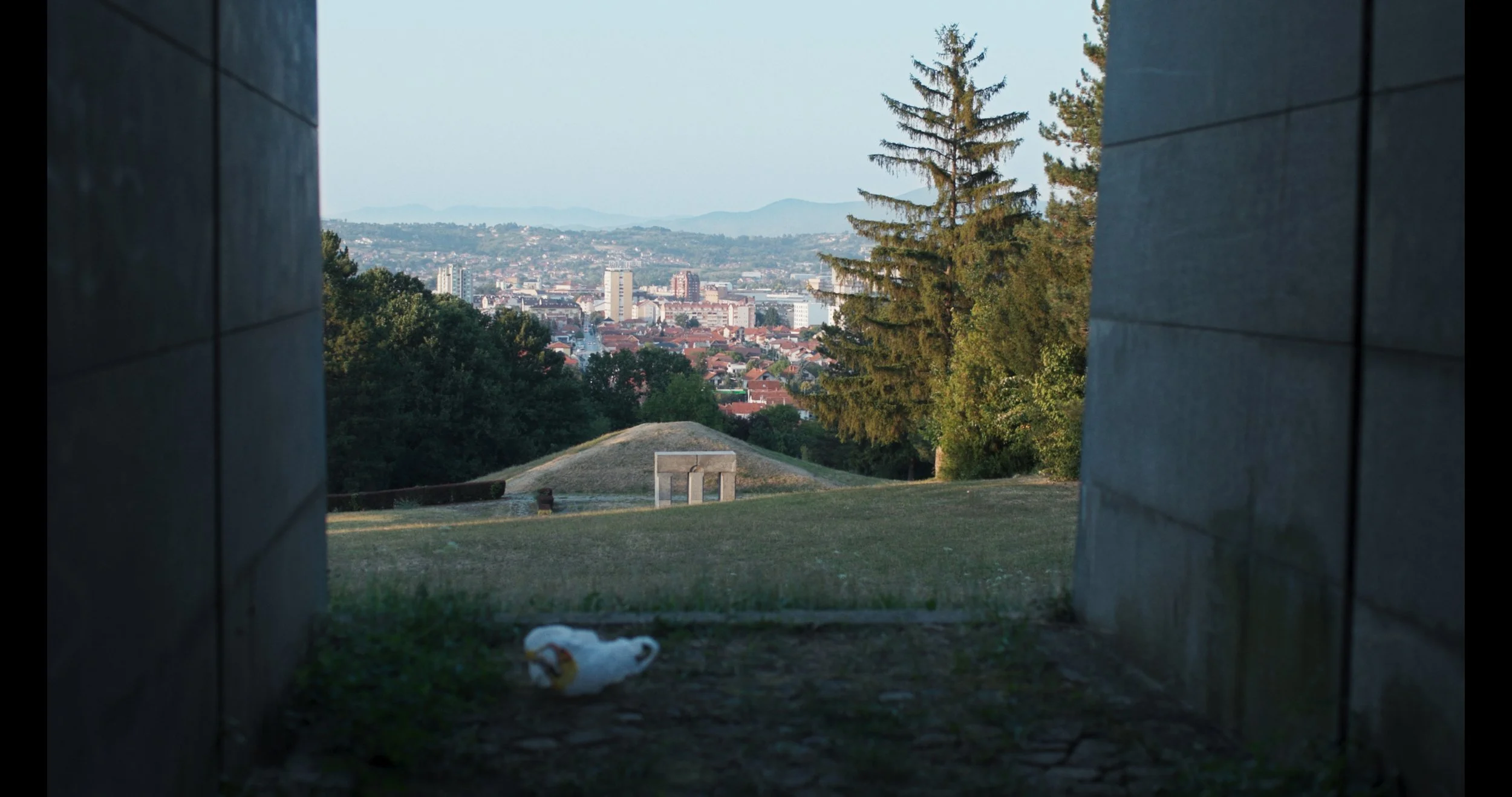
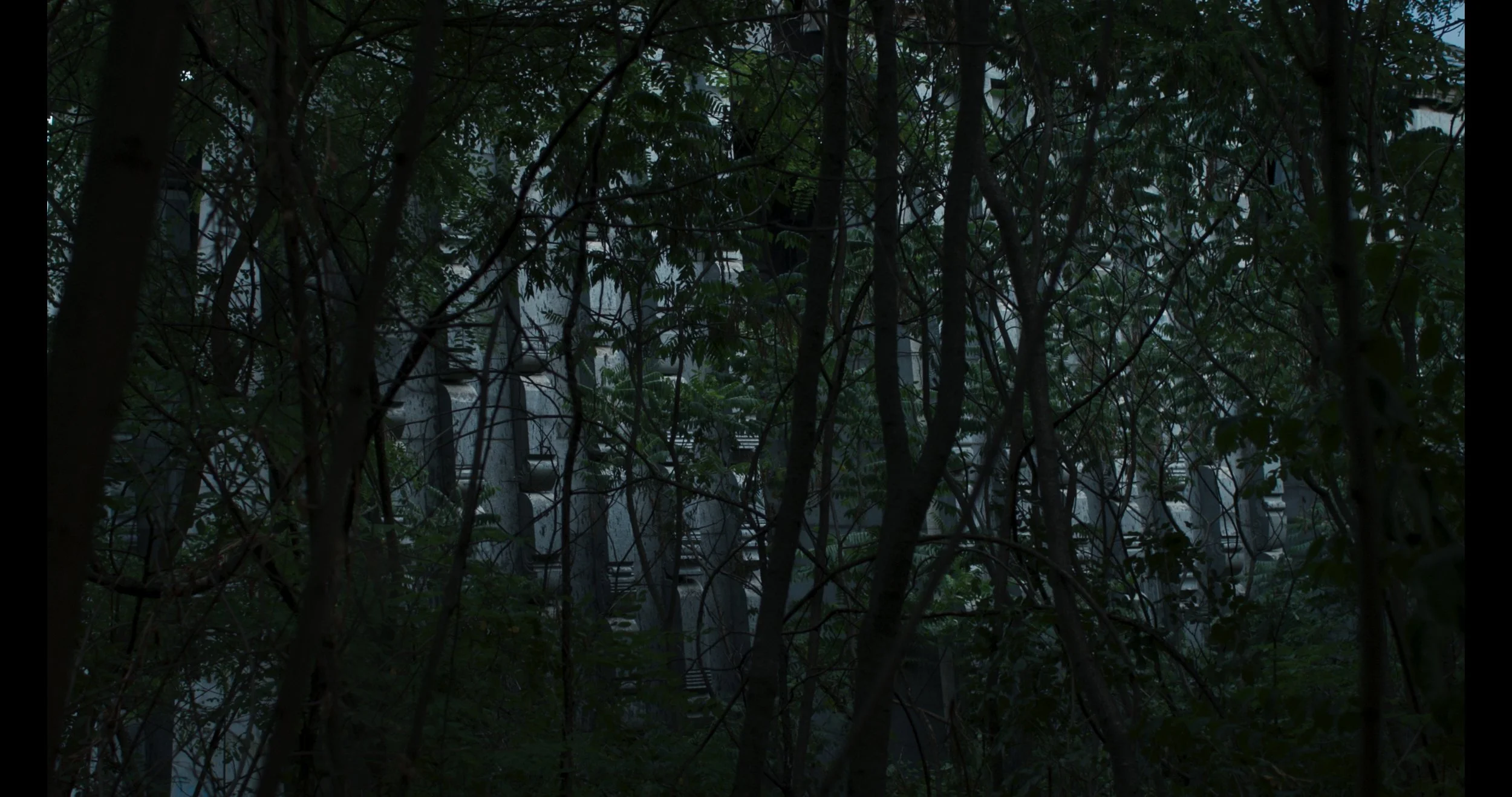
A forgotten WWII monument, reclaimed by silence and nature, becomes the gateway to a hidden landscape of memorials scattered across former Yugoslavia.
Credits
Director
Wolf Lass
Producer
Nina Lazić
Dejan Petrović
Predrag Živković
Editor
Axel Bezençon
Sound Design
Vincent Roy
Cinematographer
Anand Bansal
Interview with director Wolf Lass
1. What was one of the most challenging moments you faced while making this film? Did this ‘setback’ change the direction of the final story?
This film was created in the framework of a documentary film camp. Due to the tight timeframe, we had to start shooting before the research on the topic was complete. On one of the last days of shooting we were finally able to talk to an archivist and historian who helped us with fact-checking. During that meeting we found out we can not use some scenes and interviews we filmed, because they were one-sided and partly incorrect. This moment made us re-think our approach to "truth" and make the "truth" in the film more a process of discovery than a process of telling one version of it.
2. What was the biggest inspiration behind your short film?
I had a quite clear vision of how this film should feel and look. Dramaturgically, however, the strongest breakthrough came later. My editor Axel and I rethought the story based on a phrase we made up. It was "the UFO has landed". This changed everything. Suddenly it became quite obvious and clear, how to slowly reveal context, story, history and perspective. So although this realisation came late, I would still consider our guiding phrase "the UFO has landed" as the biggest inspiration leading to the final structure and feel of the film.
3. Let’s say you had to make this film all over again. Knowing what you know now, is there one thing you’d do differently? And if there’s nothing you’d change, what have you learnt since finishing the film that you didn’t know on day one?
If I had to start all over, I would immediately decide on subtle but strong symbolism that serves the overall aim of the film. For example, the end song is a traditional song that has been used by various politically opposing groups as a propaganda song. Using the original traditional lyrics, which only few people know, is a strong statement. I would try to find even more of these subtle symbolisms.
4. At its core, can you tell us what Stone Memory is about, and what do you hope audiences will discover when they come to see the film?
Stone Memory revisits a forgotten WW2 monument reclaimed by silence and nature. Through the voices of the buried, a lone visitor, and a historian, the documentary explores the monument’s legacy and meaning, revealing a hidden constellation of partly abandoned monuments across Yugoslavia. The aim is to help international audiences connect with WW2 history through the film and the monument's architecture. For local audiences, my aim is to bring together all opposing opinions around the monument.